Why Choose a Used Electric Vehicle?
Buying a used electric car can be a smarter entry point than a brand‑new model. Depreciation slows after the first few years, meaning you often get a well‑equipped vehicle at a fraction of the original price. For beginners, a pre‑owned EV provides real‑world data on range, charging habits, and ownership costs without the premium of the latest technology.
Key Factors Beginners Should Consider
When you’re new to electric mobility, a few criteria become especially important. Ignoring them can turn an exciting purchase into a source of frustration.
Battery Health
The most critical component is the battery pack. Look for a State of Health (SoH) report from the dealer or a third‑party inspection. A battery that retains 80‑90% of its original capacity after three years is typically still reliable for daily commutes.
Range Suitability
Match the vehicle’s EPA‑rated range to your typical driving patterns. If most trips are under 40 miles, a 150‑mile range offers a comfortable buffer; longer daily distances may require a 250‑mile model.
Charging Compatibility
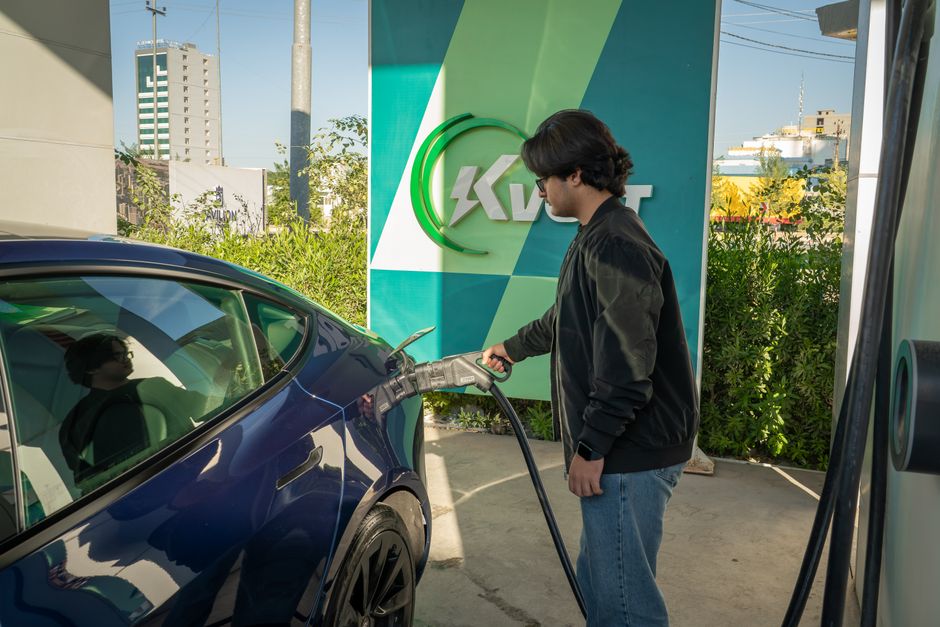
Check whether the car supports Level 2 AC charging at home and if it can use fast‑charging networks like CCS or CHAdeMO. A vehicle that can add 80 miles in 30 minutes reduces range anxiety on longer trips.
Total Cost of Ownership
Beyond the sticker price, factor in insurance, potential warranty extensions, and expected maintenance. Used EVs often qualify for reduced registration fees or local incentives, further lowering the overall expense.
Best Used Electric Cars for Beginners
Below are five models that consistently deliver a balance of affordability, reliability, and user‑friendly features.
1. Nissan Leaf (2018‑2020)
The Nissan Leaf remains the most ubiquitous entry‑level EV worldwide. Its 150‑mile EPA range (up to 226 miles for the Plus version) fits comfortably within most urban commutes. The 2018‑2020 generation benefits from a refreshed interior, Apple CarPlay/Android Auto, and a well‑documented battery‑management system that minimizes degradation.
- Pros: Low purchase price, extensive charging network, easy‑to‑use infotainment.
- Cons: Limited range compared to newer models; some early‑year trims lack fast‑charging capability.
- Typical used price: $14,000‑$19,000 depending on mileage and battery size.
2. Chevrolet Bolt EV (2017‑2019)
The Bolt offers a surprising 250‑mile range for its price class, making it a strong candidate for beginners who anticipate occasional longer trips. Its compact hatchback shape provides ample cargo space, and the 2019 refresh adds a more refined cabin and improved thermal management.
- Pros: Long range, quick DC‑fast‑charging support, spacious interior.
- Cons: Early‑year models had a recall for battery‑pack overheating (fixed by GM).
- Typical used price: $18,000‑$23,000.
3. Hyundai Kona Electric (2019‑2021)
With a 258‑mile EPA rating and a sleek crossover silhouette, the Kona Electric feels more like a conventional SUV than a compact hatchback. Hyundai’s five‑year warranty often transfers to the second owner, providing added peace of mind for first‑time EV buyers.
- Pros: Strong range, modern tech (large touchscreen, adaptive cruise), solid warranty.
- Cons: Slightly higher upfront cost; rear‑seat legroom is modest.
- Typical used price: $22,000‑$28,000.
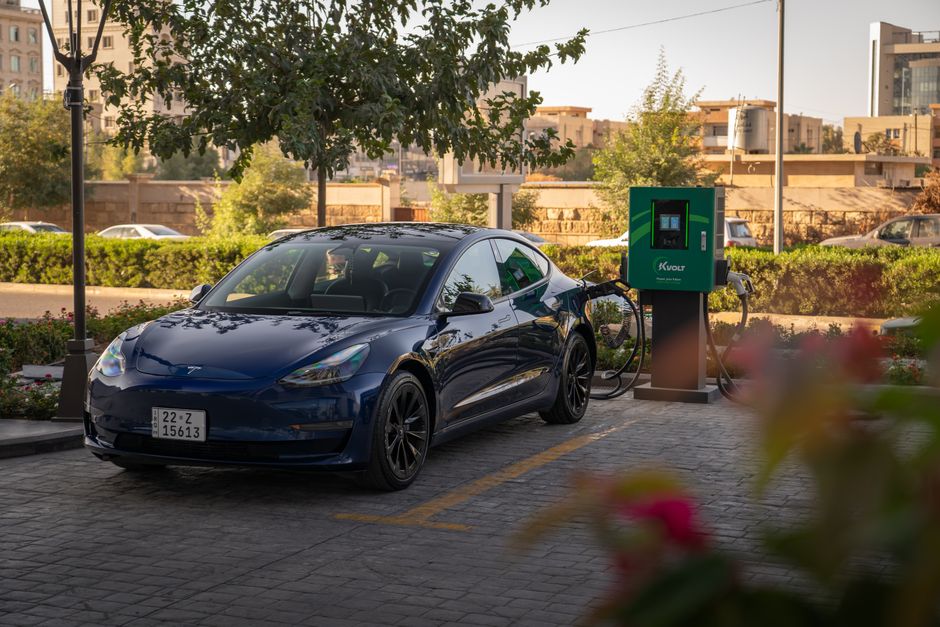
4. Tesla Model 3 (Standard Range Plus, 2018‑2020)
While Teslas carry a premium brand image, the Standard Range Plus version drops the price to a competitive level for a used car. It delivers about 263 miles of range and accesses the expansive Supercharger network, which is a major convenience advantage for beginners hesitant about public charging.
- Pros: Premium interior, over‑the‑air updates, extensive fast‑charging network.
- Cons: Higher depreciation can still make used prices steep; minimal physical controls may feel unfamiliar.
- Typical used price: $30,000‑$35,000.
5. Kia Niro EV (2019‑2021)
The Niro EV blends the practicality of a compact crossover with a 239‑mile range. Its straightforward cabin layout, generous warranty, and low running costs make it an appealing choice for drivers transitioning from gasoline‑powered crossovers.
- Pros: Comfortable ride, good cargo capacity, long warranty.
- Cons: Slightly slower acceleration than sportier peers.
- Typical used price: $24,000‑$30,000.
How to Evaluate a Used EV Before Purchase
Even the most reputable model can hide issues if you don’t inspect it thoroughly. Follow this checklist to protect your investment.
- Request a full battery health report. Many dealers can provide a Battery Management System (BMS) readout that shows remaining capacity.
- Verify the vehicle’s charging history. A car that spent most of its life on Level 1 AC may have a more worn battery than one regularly charged with Level 2.
- Inspect the charging port and cables for wear or corrosion.
- Take a test drive to assess regenerative braking feel and overall performance.
- Check for any outstanding recalls. Manufacturers often cover recall repairs even for out‑of‑warranty vehicles.
- Confirm that the car’s software is up‑to‑date; recent firmware can improve range estimation and battery efficiency.
Financing, Incentives, and Savings
Many regions still offer incentives for used electric vehicles, though they’re typically smaller than new‑car credits. Research local programs for rebates, reduced registration fees, or discounted home‑charging equipment.
When financing, compare the interest rate on a conventional loan versus a specialized EV loan. Some credit unions provide lower rates for electric‑vehicle purchases, recognizing the lower long‑term operating costs.
Maintenance Tips Specific to Electric Cars
Electric drivetrains have fewer moving parts, but they still require attention.
- Brake fluid should be checked annually; regenerative braking reduces wear but doesn’t eliminate the need for fluid replacement.
- Tire rotation remains essential. EVs are often heavier due to batteries, which can cause uneven tire wear if left unchecked.
- Cooling system for the battery pack should be inspected for leaks or coolant level.
- Keep firmware updates current. Manufacturers frequently release over‑the‑air patches that improve efficiency and extend battery life.
Conclusion
Choosing a used electric car can give beginners a low‑cost, low‑stress entry into sustainable driving. By focusing on battery health, range suitability, and warranty coverage, models like the Nissan Leaf, Chevrolet Bolt, Hyundai Kona Electric, Tesla Model 3, and Kia Niro EV provide reliable, everyday performance. Conduct a thorough inspection, explore any local incentives, and stay on top of routine maintenance to enjoy the benefits of electric mobility for years to come.
Comments (0)
No comments yet. Be the first to comment!
Leave a Comment