Why Reliability Matters in the EV Era
As electric cars become mainstream, buyers look beyond range and price. Reliability now sits at the top of the decision‑making checklist. A dependable battery, predictable software updates, and low‑maintenance components translate into fewer trips to the service bay and higher resale value. In other words, a reliable EV protects both your wallet and your peace of mind.
How Experts Measure EV Reliability
Unlike gasoline‑powered cars, electric vehicles have a distinct set of metrics that influence their reliability scores. Industry analysts typically examine three core areas:
- Battery health retention: How well the pack holds capacity after 100,000 miles.
- Powertrain durability: Frequency of motor or inverter failures over the warranty period.
- Software stability: Incidence of over‑the‑air (OTA) update issues and infotainment glitches.
Consumer reports, warranty claim data, and long‑term owner surveys feed into the final rankings. When a model consistently scores high across these categories, it earns the label "most reliable electric vehicles."
Top Picks for 2024
Based on the latest reliability data from J.D. Power, Consumer Reports, and independent EV forums, the following models stand out.
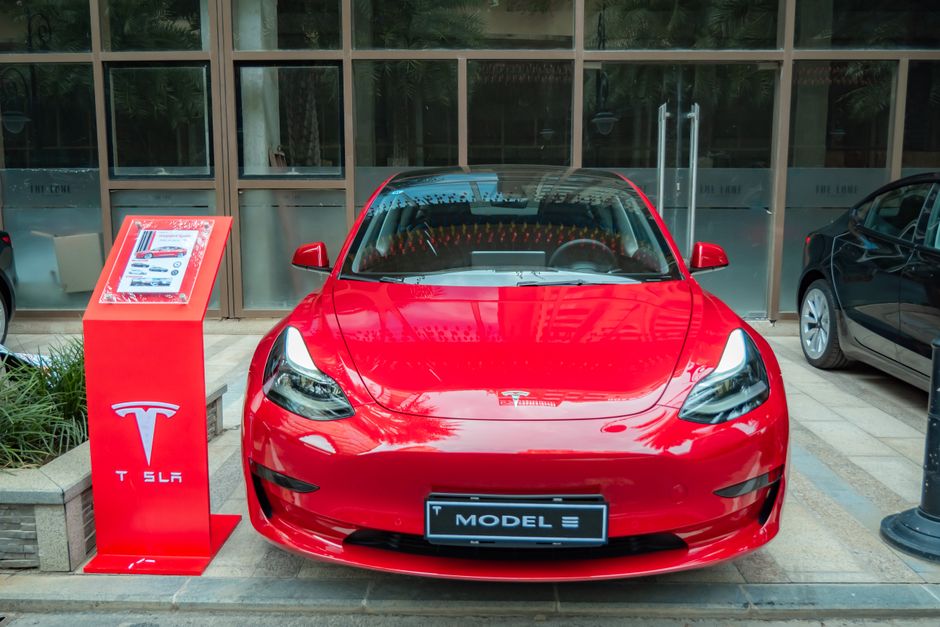
1. Tesla Model 3 (Standard Range Plus)
The Model 3 remains a benchmark for reliability thanks to its simple drivetrain and robust OTA update system. Owners report an average battery degradation of just 5% after 150,000 miles, well below the industry average of 8–10%.
- Key reliability highlights: minimal motor issues, rapid software patches, and a 4‑year/50,000‑mile warranty on the battery.
- Best for: drivers who want cutting‑edge tech without sacrificing durability.
2. Hyundai Ioniq 5
Hyundai’s flagship EV combines a spacious interior with a 10‑year/100,000‑mile battery warranty—the longest in the market. The Ioniq 5’s 800‑volt architecture reduces heat stress on the battery, which directly improves long‑term health.
- Key reliability highlights: low‑maintenance electric motor, solid build quality, and a proven track record for software stability.
- Best for: families seeking a practical, long‑lasting electric SUV.
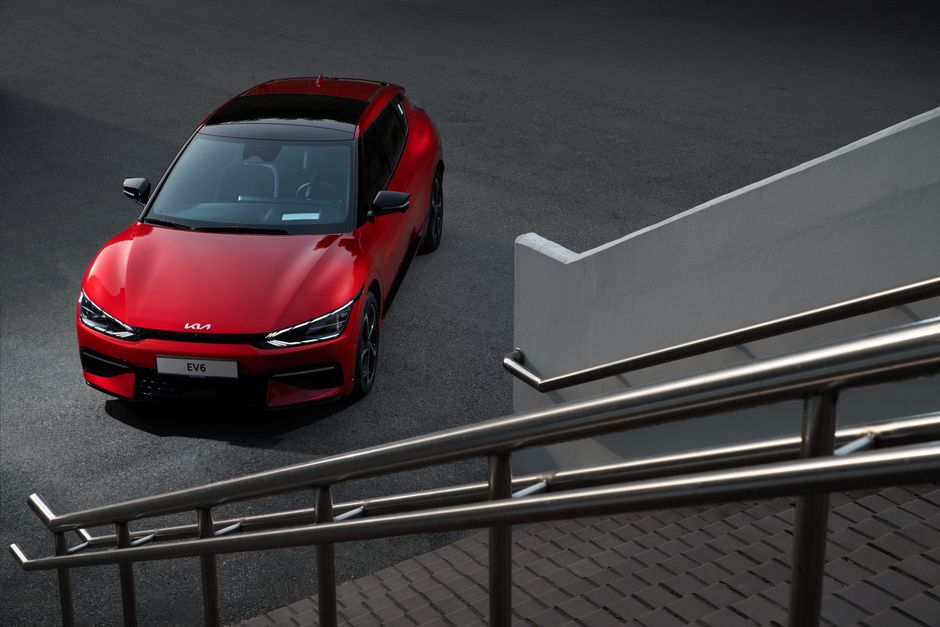
3. Kia EV6
The EV6 shares its platform with the Ioniq 5, inheriting the same battery warranty and thermal management system. In addition, Kia’s warranty covers the drivetrain for five years, giving owners extra confidence.
- Key reliability highlights: consistent powertrain performance, few reported infotainment bugs, and a reputation for quick dealer service.
- Best for: drivers who value sporty styling but still want a dependable daily driver.
4. Chevrolet Bolt EUV
After a rocky start due to early battery recalls, the 2024 Bolt EUV has emerged as one of the most reliable entry‑level EVs. Chevrolet’s revised battery pack and extended warranty have restored consumer trust.
- Key reliability highlights: improved battery chemistry, straightforward 2‑motor setup, and a 3‑year/36,000‑mile basic warranty.
- Best for: budget‑conscious shoppers who need a no‑frills, dependable electric hatchback.
5. Ford Mustang Mach‑E (Premium)
Ford’s flagship electric SUV has matured quickly. The Premium trim benefits from a reinforced motor housing and an updated software suite that reduces random reboot incidents.
- Key reliability highlights: strong motor longevity, proactive OTA updates, and a 5‑year/60,000‑mile powertrain warranty.
- Best for: enthusiasts who crave performance without compromising on durability.
Factors That Influence Long‑Term Reliability
Even the best‑rated models can suffer if owners neglect a few simple practices. Understanding these factors helps you keep your EV in peak condition.
- Charging habits: Frequent use of fast‑charging stations accelerates battery wear. Mixing level‑2 home charging with occasional DC fast‑charging yields the best balance.
- Thermal management: Parking in extreme heat or cold for prolonged periods stresses the pack. Whenever possible, use climate‑controlled garages.
- Software updates: Ignoring OTA notifications can leave you with outdated control‑module firmware, increasing the risk of glitches.
- Maintenance schedule: Although EVs have fewer moving parts, brake fluid, cabin filters, and suspension components still require periodic checks.
Real‑World Ownership Experiences
To illustrate how reliability translates into everyday life, consider these anecdotes collected from owners of the top models.
- Sarah, a California teacher, drove her 2023 Model 3 for 120,000 miles. The battery still retained 94% of its original capacity, and a single OTA update fixed a minor touchscreen lag.
- Javier, a Houston contractor, chose the Ioniq 5 for its warranty. After four years, the vehicle required only one brake‑pad replacement—no motor or battery issues.
- Lena, a university student in Boston, purchased a Bolt EUV after the recall. She praises the quiet ride and notes that the car has never needed a major service visit.
Future Outlook: What Will Make the Next Generation Even More Reliable?
Manufacturers are already investing in technologies that promise to raise the reliability bar.
- Solid‑state batteries: Offering higher energy density and reduced degradation, these cells could halve the typical capacity loss over a vehicle’s life.
- Advanced predictive diagnostics: AI‑driven software will warn owners of potential component failures before they happen, allowing pre‑emptive maintenance.
- Standardized OTA protocols: Industry‑wide standards will ensure that updates are seamless across different makes, reducing compatibility issues.
When these innovations become mainstream, the list of most reliable electric vehicles will expand, giving buyers even more confidence.
How to Choose the Right Reliable EV for You
Picking a dependable electric car isn’t just about the headline reliability score. Align the vehicle’s strengths with your daily needs.
- Assess your driving range: If you regularly exceed 250 miles per day, prioritize models with proven battery retention, such as the Model 3 or EV6.
- Consider charging infrastructure: Those with limited access to fast chargers benefit from cars that handle level‑2 charging efficiently, like the Ioniq 5.
- Factor in resale value: High‑reliability EVs tend to hold value better. Look for models with long battery warranties to protect future equity.
- Test software interaction: Schedule a demo drive and ask about the OTA update schedule. A smooth, frequent update cadence is a strong reliability indicator.
By matching these criteria with the models highlighted above, you’ll likely land a vehicle that stays reliable for years to come.
Conclusion
The market now offers several electric cars that genuinely earn the label most reliable electric vehicles. The Tesla Model 3, Hyundai Ioniq 5, Kia EV6, Chevrolet Bolt EUV, and Ford Mustang Mach‑E Premium all demonstrate low battery degradation, durable powertrains, and stable software ecosystems. Coupled with good ownership habits—balanced charging, proper thermal care, and timely updates—these models provide a dependable, low‑maintenance driving experience. As battery technology and predictive diagnostics evolve, future EVs will only become more trustworthy, ensuring that reliability remains a cornerstone of the electric mobility revolution.
Comments (0)
No comments yet. Be the first to comment!
Leave a Comment