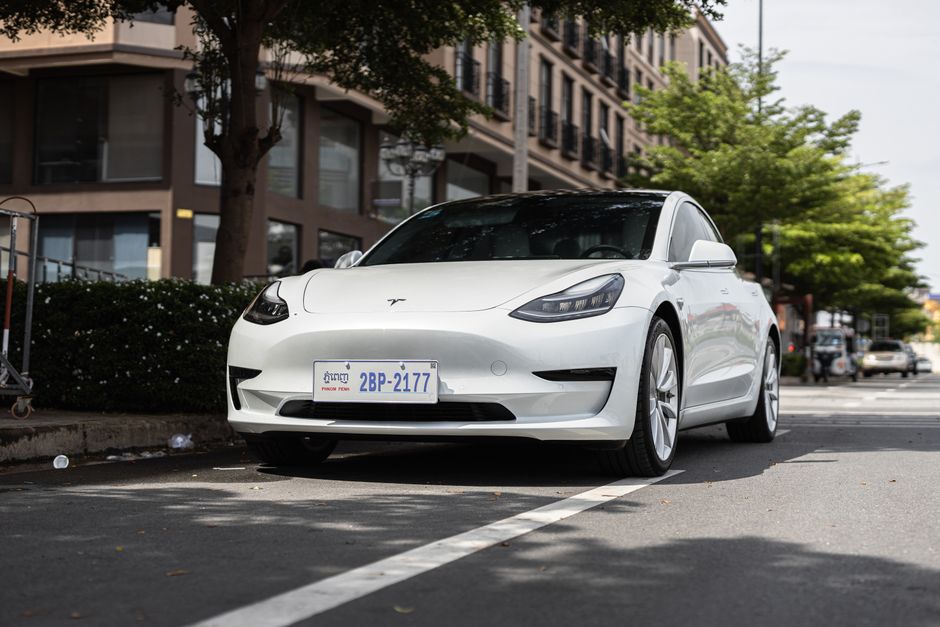
Why the "Tesla" label doesn’t guarantee flawless performance
Early adopters praised instant torque and over‑the‑air updates, yet a growing service‑record shows that even premium electric cars develop recurring faults. Understanding those patterns helps owners set realistic expectations and avoid costly surprises.
Build‑quality quirks that slip past the showroom
Panel gaps wider than the manufacturer’s tolerance appear most often on Model S sedans built between 2012 and 2015. Owners report audible wind‑whistle when cruising at highway speeds, a symptom traced to mis‑aligned door seals. The issue is not cosmetic; water ingress can lead to corrosion of door‑frame bolts after a season of rain.
Repair shops recommend measuring gaps with a digital caliper and, if they exceed 2 mm, requesting a door‑realignment under warranty. For out‑of‑warranty cars, a dealer‑approved shim kit often restores the original tolerance for under $300.
Battery health: more than a simple "range" number
Battery capacity loss accelerates when a vehicle spends extended periods at 100 % state of charge. Field data from 2020‑2022 Model 3 owners shows an average 5 % drop after six months of daily full‑charge cycles, compared with 2 % for those limiting charge to 80 %.Thermal‑management software mitigates degradation, but the algorithm assumes a balanced charge routine. Users who frequently fast‑charge at Supercharger stations also observe a 0.5 % capacity loss per 1,000 kWh transferred, a figure derived from Tesla’s own service bulletins.
Practical steps: set the daily‑charge limit to 80 % for commuting, reserve 100 % only for long trips, and schedule a monthly “maintenance charge” that keeps the battery between 30 % and 70 % when the car sits idle for weeks.
Software glitches that surface after updates
Version 2023.20 introduced a bug that freezes the climate‑control interface on Model Y units equipped with the 2020‑2021 infotainment hardware. The freeze lasts up to 30 seconds before the system reboots, draining an extra 0.2 kWh from the battery.
Tesla’s rollback protocol restores the previous firmware version within 24 hours if the owner files a support ticket. Meanwhile, a temporary workaround involves disabling “Auto‑Vent” in the climate settings, which prevents the interface from entering the faulty state.
Home‑charging pitfalls that many overlook
Installing a Level‑2 wall connector without a dedicated 40 A circuit often triggers tripping of the home breaker during a fast charge. Electrical codes require a minimum 50 A breaker for the 11 kW Tesla charger, yet a 2019 survey found 38 % of owners used the default 30 A circuit.
Consequences include intermittent charging interruptions and premature wear on the charger’s internal relay. Certified electricians can upgrade the breaker and verify wire gauge (minimum 6 AWG copper) in under two hours, preserving the charger’s warranty.
Autopilot’s blind spots and driver‑assist misconceptions
Model 3 owners report phantom “stop‑and‑go” alerts when the forward‑radar sensor is partially covered by a windshield decal. The sensor, positioned behind the front camera, interprets the reflected light as an obstacle, prompting an unnecessary emergency brake.Removing the decal restores normal operation, but the incident highlights a broader issue: the system’s reliance on clean optics. Regularly cleaning the camera lens with a lint‑free cloth and isopropyl solution prevents false positives that could surprise an inattentive driver.
Interior material wear that surprises new owners
Early Model S interiors used a synthetic microfiber that develops a “pilling” effect after 15,000 km of daily use. The pilling reduces perceived luxury and can trap dust, accelerating wear on the underlying upholstery.
Seat‑cover kits made from woven polyester, available from third‑party vendors, mitigate pilling by distributing friction more evenly. Installing the kit before the 20,000 km mark preserves the original look and keeps resale value higher.

What owners can do: a maintenance checklist for peace of mind
- Quarterly visual inspection of door seals and panel gaps; address mis‑alignments within the warranty period.
- Set daily charge limit to 80 % unless a long trip is planned; use “Trip Planner” to schedule a brief 100 % charge only when needed.
- After each software update, verify climate‑control responsiveness for at least five minutes of operation.
- Confirm home charger circuit complies with local electrical code; if the breaker trips more than twice a month, request an upgrade.
- Clean the forward‑radar and camera lenses monthly; avoid adhesive stickers on the windshield that obscure sensors.
- Apply a protective seat‑cover before the vehicle reaches 20,000 km; inspect for pilling and replace as necessary.
Following this routine reduces the likelihood of encountering the most reported common problems with Tesla issues and extends the vehicle’s functional lifespan.
Comments (0)
No comments yet. Be the first to comment!
Leave a Comment