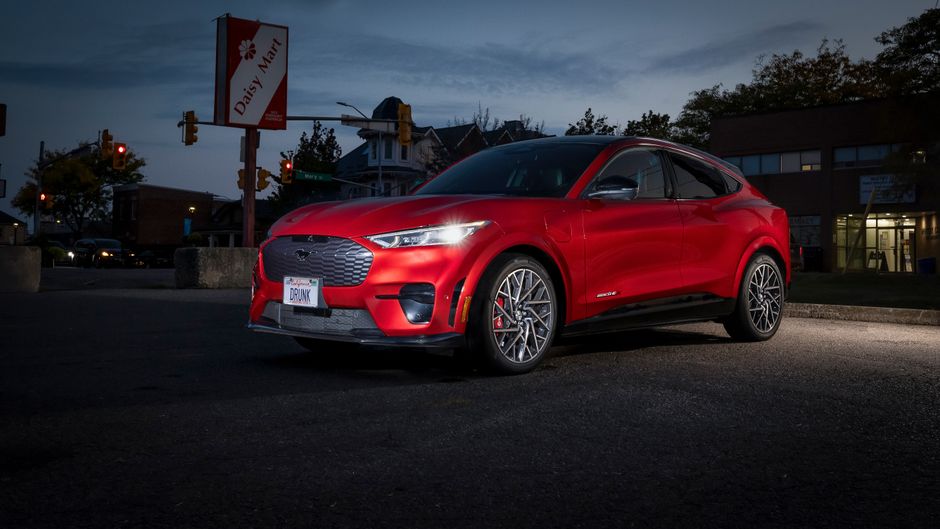
Why the Mustang Mach‑E Draws Attention
The Mustang Mach‑E is Ford's first all‑electric SUV, blending iconic styling with modern performance. Its launch generated excitement, but as more units hit the road, owners have begun sharing the Ford Mustang Mach E problems they encounter. Understanding these issues early can save time, money, and frustration.
Electrical System Glitches
Because the Mach‑E is an EV, its electrical architecture is far more complex than a traditional gasoline model. The most frequently reported complaints involve the infotainment screen freezing, unexpected rebooting, or loss of connectivity.
Symptoms to Watch For
- Blank or flickering touchscreen after a short drive.
- Bluetooth and Android Auto disconnecting without warning.
- Instrument cluster displaying error codes such as “12V System Voltage Low.”
These glitches often trace back to a single point of failure: the gateway control module. A faulty module can corrupt data streams, causing multiple subsystems to behave erratically.
Practical Solutions
First, perform a soft reset by holding the power button on the infotainment system for ten seconds. If the issue recurs, a software update—available through Ford's SYNC 4 over‑the‑air system—can patch known bugs. When updates fail, a dealer‑level diagnostic scan is required to re‑flash the gateway module.
Battery and Charging Challenges
The heart of any EV is its battery pack. Owners of the Mach‑E have reported three main concerns: reduced range, slow charging, and occasional “charge port not detected” warnings.
Reduced Real‑World Range
Many drivers notice a gap between the EPA‑rated 300‑plus miles and the 200‑250 miles they achieve in daily use. Factors such as temperature, driving style, and accessory load affect range, but a recurring pattern of rapid decline after 15,000 miles suggests possible cell imbalance.
When cell imbalance occurs, the battery management system limits the usable capacity to protect the pack, which manifests as a noticeable drop in range.
Charging Port Errors
Intermittent messages like “Charging Port Not Detected” often stem from a loose connector or a faulty charging port control unit. Simple cleaning of the port pins with a non‑conductive brush can resolve occasional misreads. Persistent errors usually require replacement of the control unit.
Mitigation Tips
Maintain the vehicle in a moderate climate whenever possible, and avoid deep discharges below 20% state‑of‑charge. Regularly schedule a battery health check at an authorized service center; they can perform a balancing procedure that restores lost capacity.
Software and Firmware Inconsistencies
Ford pushes frequent over‑the‑air updates to improve performance, but not every update installs cleanly. Users have reported the vehicle entering “limp mode” after a failed download, limiting power output to 30 kW.
Identifying the Issue
If the powertrain displays a “Powertrain Control Module Error” on the dash, the first step is to check the update history via the vehicle’s settings menu. An incomplete download will be flagged with a red icon.
Resolving Software Hiccups
Attempt a manual reset by disconnecting the 12 V auxiliary battery for five minutes. This forces a reboot of all control modules. After reconnection, re‑initiate the OTA update using a strong Wi‑Fi signal or a direct USB flash drive, if the dealership provides one.
Drivetrain and Powertrain Concerns
While the Mach‑E’s electric motors are praised for instant torque, a subset of owners experience unexpected noise and vibration during acceleration. These sensations often point to issues with the e‑axle bearings or the rear differential.
Common Signs
- Whining noise that rises with vehicle speed.
- Vibration felt at the steering wheel during hard launches.
- Occasional loss of traction control activation.
Early detection is crucial because bearing wear can spread to the differential gears, leading to costly repairs.
What Owners Can Do
Schedule a drivetrain inspection if any of the above symptoms appear. Technicians will check bearing clearances with a dial indicator and replace components if tolerances exceed specifications. In many cases, a simple bearing swap resolves the issue without replacing the entire e‑axle.
Maintenance Practices That Reduce Problems
Even the most reliable EV benefits from routine care. Here are three maintenance habits that directly address the most common Mach‑E problems:
- Software hygiene: Keep the vehicle’s firmware current. Enable automatic OTA updates and verify successful installation after each download.
- Battery stewardship: Use Level 2 home chargers for daily charging, and reserve fast‑DC charging for long trips. This reduces thermal stress on the pack.
- Physical inspections: Check the charging port and 12 V battery terminals quarterly for corrosion or looseness.
Adhering to these practices not only mitigates existing issues but also extends the overall lifespan of the vehicle.
When to Seek Professional Help
Some problems, like persistent powertrain errors or repeated battery health warnings, exceed DIY troubleshooting. If a diagnostic scan repeatedly returns the same fault code after resetting, it’s time to bring the Mach‑E to a certified Ford service center.
Documenting the symptoms—date, mileage, and environmental conditions—helps technicians replicate the issue and accelerate repairs.
Looking Ahead: Future Improvements
Ford has announced a next‑generation Mach‑E platform that will feature a more robust battery management system and a redesigned infotainment architecture. Early prototypes suggest fewer software crashes and better thermal regulation, which should address many of the current complaints.
Owners who plan to keep their Mach‑E for several years can anticipate over‑the‑air updates that gradually close the gap between early‑model quirks and the refined experience promised for 2025 onward.

Conclusion
While the Ford Mustang Mach‑E delivers thrilling electric performance, it is not immune to growing‑pains. The most common Ford Mustang Mach‑E Problems revolve around electrical glitches, battery and charging anomalies, software inconsistencies, and drivetrain vibrations. By staying proactive—updating software, practicing good battery habits, and performing regular inspections—owners can dramatically reduce downtime. When issues persist, professional diagnostics remain the safest route. As Ford continues to refine the Mach‑E platform, many of today’s challenges are likely to fade, leaving the vehicle’s legacy firmly rooted in the electric future.
Comments (0)
No comments yet. Be the first to comment!
Leave a Comment