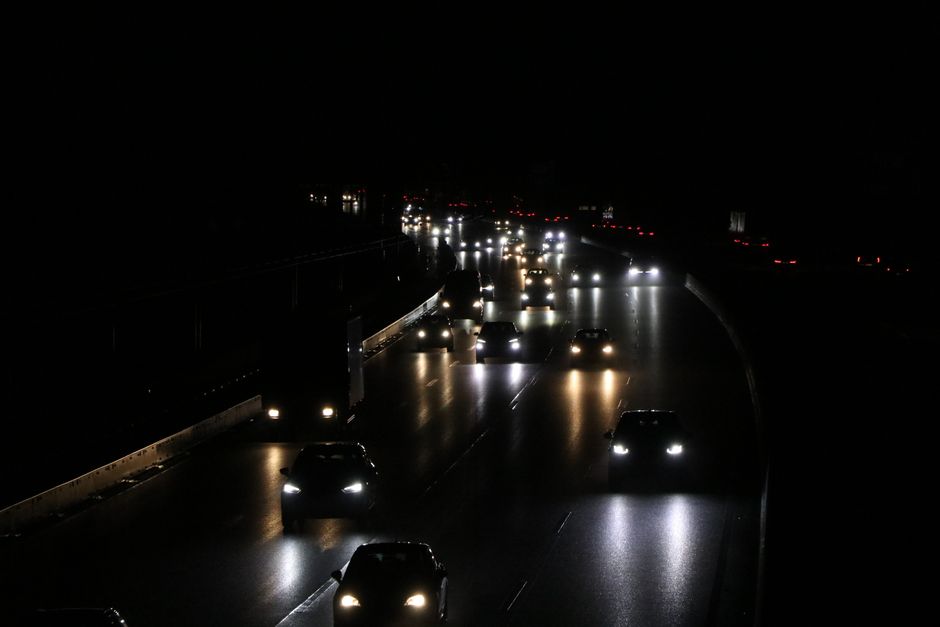
Why Night Driving Demands Extra Care
When the sun sets, the road transforms. Reduced illumination, glare from oncoming headlights, and a different mix of traffic participants—all combine to raise the stakes. Understanding these changes is the first step in learning how to drive safely at night.
Preparing Your Vehicle for Darkness
A well‑maintained car is your most reliable ally after dusk. Before you head out, check the following items:
- Headlights: Both low and high beams should be clean and properly aligned. A misaligned beam can blind other drivers and diminish your own visibility.
- Tail and brake lights: Verify that all rear lamps illuminate fully; a dim tail light reduces the distance other drivers can see you.
- Windshield wipers: Even a light drizzle can obscure vision. Replace worn blades to avoid streaks that scatter light.
- Tire tread: Wet roads are common at night. Adequate tread depth improves traction and reduces hydroplaning risk.
Lighting Strategies That Boost Visibility
Proper use of lighting is more than flipping a switch. Here are practical tactics:
- Start with low beams in normal traffic. Switch to high beams only when there are no oncoming vehicles and the road is unlit.
- When approaching a hill or curve, dim your high beams early to avoid blinding drivers who may be descending.
- Use fog lights sparingly; they are designed for low‑visibility conditions, not for cutting through clear night air.
Remember: the goal is to illuminate the road ahead while preserving the sight lines of other drivers.
Speed Management Under Low Light
Nighttime reduces the distance at which you can perceive hazards. Adjusting speed accordingly is crucial. A useful rule of thumb is to reduce your posted speed by 10‑15% on poorly lit stretches. This extra margin allows more reaction time if an animal darts onto the road or a vehicle suddenly stops.
Keeping a Safe Following Distance
At night, the brake‑light glow from the car ahead is your primary cue for deceleration. Increase the standard two‑second rule to three or four seconds, especially on wet or winding roads. This buffer compensates for slower visual processing in darkness.
Combatting Fatigue and Maintaining Alertness
Driver fatigue spikes after dark, and it is a leading cause of night‑time accidents. Implement these habits:
- Plan breaks every two hours, even on short trips.
- Consume caffeine strategically—no more than 200 mg per break to avoid a crash of its own.
- Keep the cabin temperature slightly cooler; a warm environment encourages drowsiness.
If you feel your eyes drooping, pull over safely and take a short walk. A few minutes of fresh air can restore alertness.
Dealing with Wildlife and Pedestrians
Animals are most active at dawn and dusk, and pedestrians may use reflective clothing that is difficult to spot. To mitigate these risks:
- Drive slower in known wildlife corridors, especially near forests or bodies of water.
- Look for reflective markers on sidewalks and crosswalks; they often appear as faint glints.
- When you hear animal sounds, assume a crossing is imminent and reduce speed preemptively.
Technology as a Safety Partner
Modern cars offer tools that can enhance night driving, but they must be used wisely:
- Adaptive headlights swivel with steering input, illuminating curves before you reach them.
- Night vision assist systems detect heat signatures beyond the range of headlights, warning you of hidden obstacles.
- Avoid overreliance on GPS voice prompts; keep your eyes on the road and glance at the screen only when stopped.
These features supplement, not replace, vigilant driving habits.
Common Mistakes to Avoid
Even experienced drivers can fall into traps that erode safety:
- Using high beams continuously, which blinds oncoming traffic and creates glare.
- Driving with interior lights on; they reflect off the windshield and reduce external visibility.
- Relying on sunglasses to cut glare—while they help, they also diminish overall contrast.
Being aware of these pitfalls helps you correct them before they become habits.
Quick Night‑Driving Checklist
- Inspect headlights, taillights, and turn signals for full brightness.
- Clean windshields and mirrors; apply anti‑fog coating if needed.
- Set your speed 10‑15% lower than posted limits on unlit roads.
- Maintain a three‑second following distance, extending it in adverse conditions.
- Schedule rest stops every two hours to combat fatigue.
- Use high beams only when the road ahead is dark and no other vehicles are present.
Conclusion
Driving after dark is a skill that blends vehicle preparation, disciplined speed control, and heightened awareness. By following the guidelines above, you’ll master how to drive safely at night, protect yourself and others, and enjoy the serenity that night roads can offer.
Comments (0)
No comments yet. Be the first to comment!
Leave a Comment