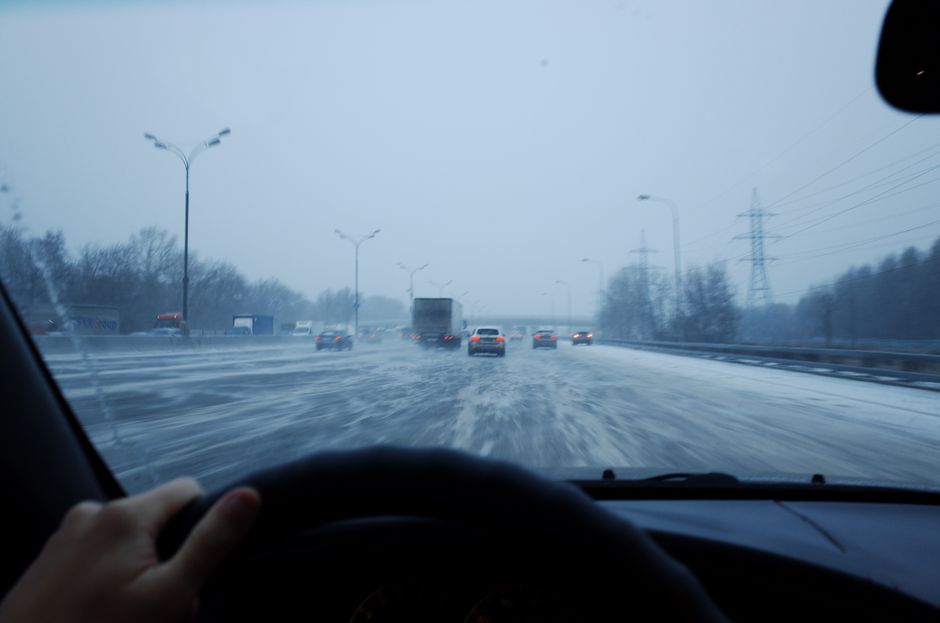
Understanding the Challenge of Ice
Ice reduces tire traction dramatically, turning a routine commute into a high‑risk scenario. When the temperature dips below freezing, even a thin layer of glaze can cause wheels to slide, making every maneuver feel unpredictable. Recognizing how quickly conditions can change is the first step in mastering how to drive safely on icy roads.
Preparing Your Vehicle for Winter
Before you even start the engine, ensure your car is equipped for the low‑grip environment.
- Winter tires: They feature softer rubber compounds and deeper tread patterns that stay flexible in sub‑zero temperatures, improving grip.
- Check tire pressure: Cold air contracts, lowering pressure and increasing the risk of a blowout. Inflate to the manufacturer’s recommendation.
- Inspect brakes: Replace worn pads and verify that brake fluid is rated for low temperatures to prevent moisture freeze‑up.
- Clear visibility: Defrost mirrors, clean headlights, and keep the windshield wiper fluid at the freezing point.
- Carry emergency supplies: A blanket, extra warm clothing, a small shovel, and traction mats can make the difference if you become stuck.
Adjusting Your Driving Habits
On icy surfaces, the margin for error shrinks dramatically. Adopt a driving style that accommodates reduced traction.
- Reduce speed: Lower speeds give you more time to react and keep stopping distances manageable.
- Increase following distance: Extend the gap to at least eight seconds behind the vehicle ahead, allowing ample space for braking.
- Plan ahead: Anticipate traffic lights, stop signs, and turns well before you reach them, eliminating sudden accelerations or decelerations.
Mastering Braking on Ice
Braking is the most common point of failure on a slick road. Use these techniques to maintain control.
- Gentle pressure: Apply the brake pedal gradually. A sudden slam locks the wheels, causing a skid.
- Threshold braking: If your vehicle lacks an anti‑lock braking system (ABS), aim for the point just before the wheels lock—this maximizes friction.
- ABS advantage: Modern cars equipped with ABS will pulse the brakes automatically. Keep your foot steady; do not pump the pedal.
Steering Control and Cornering
Maintaining a steady line through curves prevents loss of traction.
- Steer smooth: Abrupt steering inputs can cause the front wheels to slide. Turn gradually and keep the wheel angle as small as possible.
- Use the “slow‑in, slow‑out” method: Enter a turn at a reduced speed, then accelerate gently once the vehicle has passed the apex.
- Avoid sudden lane changes: If you must change lanes, signal early and move slowly, giving the tires time to adjust.
Managing Visibility in Winter Conditions
Ice often accompanies fog, snow, or sleet, all of which impair sight.
- Keep headlights on low‑beam to improve your visibility to others without dazzling oncoming drivers.
- Use the defroster and climate control to prevent windows from fogging.
- Clear snow from the roof, hood, and trunk before moving; accumulated weight can shift the car’s center of gravity.
What to Do If You Start to Skid
A skid can feel frightening, but a calm response often restores control.
- Front‑wheel skid: Steer into the direction of the slide while gently easing off the accelerator.
- Rear‑wheel skid: Turn the steering wheel in the direction you want the front of the car to go and avoid braking until the wheels regain traction.
- Never panic: Sudden steering or hard braking will only prolong the skid.
Common Mistakes to Avoid
Even experienced drivers fall into habits that increase risk on icy roads.
- Using cruise control: It can cause the engine to maintain speed while the wheels lose grip, leading to an unexpected loss of control.
- Relying on “snow tires” alone: Without proper driving technique, even the best tires cannot compensate for reckless behavior.
- Over‑confidence after a single successful run: Ice thickness and texture vary; treat each segment as a new challenge.
Emergency Situations and Recovery
Preparedness can turn a potential disaster into a manageable incident.
- Stuck in a snowbank: Rock the vehicle back and forth by shifting weight from front to rear, then use traction mats or sand under the tires.
- Vehicle spin: Keep the steering wheel straight, let the car slow naturally, and only apply gentle throttle once the wheels regain traction.
- Mechanical failure: If a tire blows out, hold the steering wheel firmly, ease off the gas, and gradually bring the car to a stop on a clear area.
Putting It All Together
Driving safely on icy roads is less about a single trick and more about a combination of preparation, mindset, and technique. By equipping your vehicle with appropriate tires, adjusting speed, mastering gentle braking, and staying calm during a skid, you create a defensive driving envelope that dramatically reduces accident risk.
Conclusion
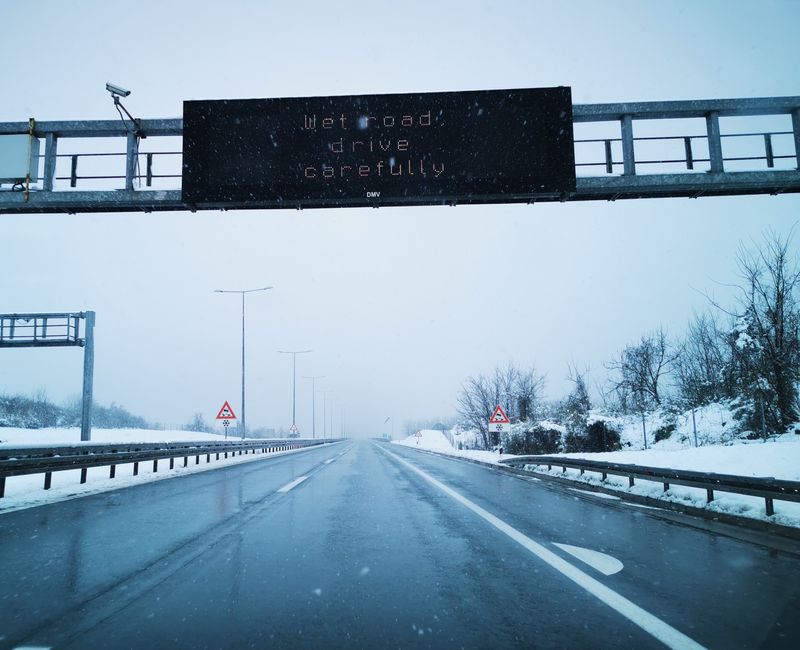
Mastering how to drive safely on icy roads requires proactive vehicle maintenance, disciplined driving habits, and a clear plan for unexpected skids. Apply the strategies outlined above—proper tire care, controlled braking, smooth steering, and vigilant visibility management—to ensure confidence and control whenever winter conditions turn the pavement into a slippery challenge.
Comments (0)
No comments yet. Be the first to comment!
Leave a Comment