Why Car Safety Matters for Families
When a family gets behind the wheel, the stakes are higher than a solo commute. Parents worry about everything from sudden stops to teen drivers’ inexperience. Understanding how to improve car safety for families starts with recognizing the unique risks that children and older adults bring to the vehicle environment.
Choosing the Right Vehicle
Not all cars are created equal. A family‑friendly model should excel in three areas: crash protection, ease of installing child seats, and driver‑assistance technology.
Crash protection ratings
Look for vehicles with high scores from the National Highway Traffic Safety Administration (NHTSA) and the Insurance Institute for Highway Safety (IIHS). A five‑star rating in the frontal‑impact test, for example, indicates strong structural integrity that can protect occupants during a collision.
Child‑seat compatibility
Check whether the car has LATCH (Lower Anchors and Tethers for Children) anchors in the second‑ and third‑row seats. Vehicles that allow a rear‑facing seat to be installed in the middle position often provide the safest spot for infants.
Driver‑assistance features
Modern safety suites—like automatic emergency braking, blind‑spot monitoring, and lane‑keeping assist—can compensate for human error. When evaluating a purchase, prioritize models that include these features as standard rather than optional.
Essential Safety Features Every Family Car Should Have
- Airbags: Front, side, and curtain airbags protect both adults and children in a crash.
- Electronic Stability Control (ESC): Helps maintain traction on slippery roads, reducing the chance of a spin‑out.
- Rear‑view camera: Eliminates blind spots when backing up, a common cause of accidents involving toddlers.
- Automatic emergency braking (AEB): Detects an imminent collision and applies the brakes if the driver doesn’t react quickly enough.
These systems work best when they’re maintained and calibrated regularly.
Child‑Seat Best Practices
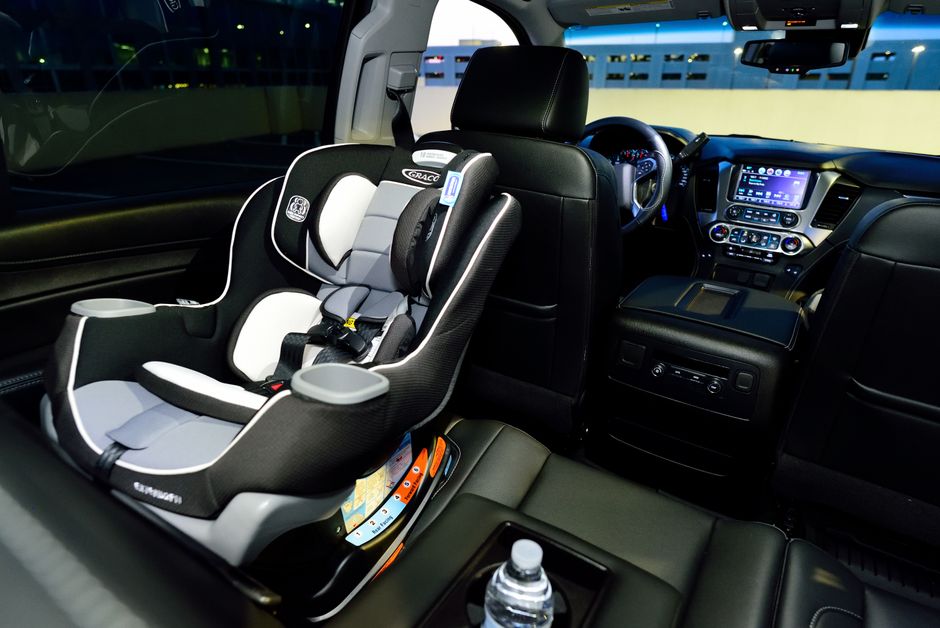
Even the safest car can’t protect a child if the seat isn’t installed correctly. Follow these steps to ensure every ride is as secure as possible.
- Choose the right seat: Infants need rear‑facing seats until at least age two, or until they reach the seat’s height limit.
- Use the LATCH system: Secure the seat’s lower anchors to the vehicle’s LATCH points. If the seat’s straps feel too tight, use the vehicle’s seat belt instead.
- Tighten the harness: The harness should be snug—no more than one finger’s width between the strap and the child’s chest.
- Position correctly: The seat should be angled no more than 45 degrees from vertical to keep the child’s airway open.
- Check regularly: Re‑inspect the installation after every car wash and before long trips.
Many local fire stations or police departments offer free child‑seat checks. Take advantage of these resources.
Driving Habits That Make a Difference
Technology can only do so much; safe driving habits remain the cornerstone of family protection.
- Maintain a safe following distance: A two‑second gap gives you enough time to react, and a four‑second gap is advisable in adverse weather.
- Avoid distractions: Put phones on “Do Not Disturb” mode, and pull over if you need to address a text or navigation change.
- Obey speed limits: Speeding reduces the time you have to avoid an obstacle and increases crash severity.
- Plan routes: Choose roads with good lighting and avoid high‑traffic rush‑hour periods when possible.
These simple adjustments can dramatically lower the risk of an accident.
Maintenance Checklist for Ongoing Safety
Regular upkeep keeps safety features functional and the vehicle’s handling predictable.
- Tire pressure and tread: Check pressure monthly; replace tires when tread depth falls below 2/32 inch.
- Brake pads: Listen for squealing and have pads inspected at least every 12,000 miles.
- Lights: Verify that headlights, brake lights, and turn signals work before each long trip.
- Windshield wipers: Replace blades every six months to maintain visibility during rain.
- Battery: Clean terminals and test voltage annually, especially before winter.
Keeping a maintenance log helps you stay on schedule and can improve resale value.
Leveraging Technology for Family Safety
Beyond built‑in car systems, external devices can add layers of protection.
- GPS trackers: Real‑time location alerts let parents know if a teen driver deviates from a planned route.
- Dash cams: Video evidence can simplify insurance claims and deter reckless behavior.
- Smartphone apps: Apps that monitor speed, acceleration, and harsh braking give parents insight into driving habits.
When selecting these tools, prioritize those that respect privacy and provide clear data without overwhelming the driver.
Creating a Family Safety Plan
A written plan reinforces good habits and ensures everyone knows what to do in an emergency.
- Establish rules: Define who may drive, under what conditions, and the required seat‑belt usage.
- Practice emergency drills: Simulate a crash scenario, practice seat‑belt fastening, and discuss how to exit the vehicle safely.
- Assign responsibilities: Older children can check tire pressure, while younger ones remind everyone to buckle up.
- Review insurance coverage: Verify that your policy includes comprehensive and collision coverage, as well as medical payments for family members.
Review the plan quarterly and adjust it as children grow or new technology becomes available.
Putting It All Together
Improving car safety for families isn’t a single action; it’s a combination of thoughtful vehicle selection, diligent maintenance, correct child‑seat installation, disciplined driving habits, and proactive use of technology. By integrating these elements, families can create a travel environment where peace of mind replaces constant worry.

Conclusion
Understanding the risks, choosing a well‑equipped vehicle, installing child seats properly, practicing safe driving, and staying on top of maintenance are the pillars of how to improve car safety for families. Implementing a family safety plan and leveraging modern tech tools further strengthens protection. Consistent effort across these areas turns every journey into a safer experience for parents and children alike.
Comments (0)
No comments yet. Be the first to comment!
Leave a Comment