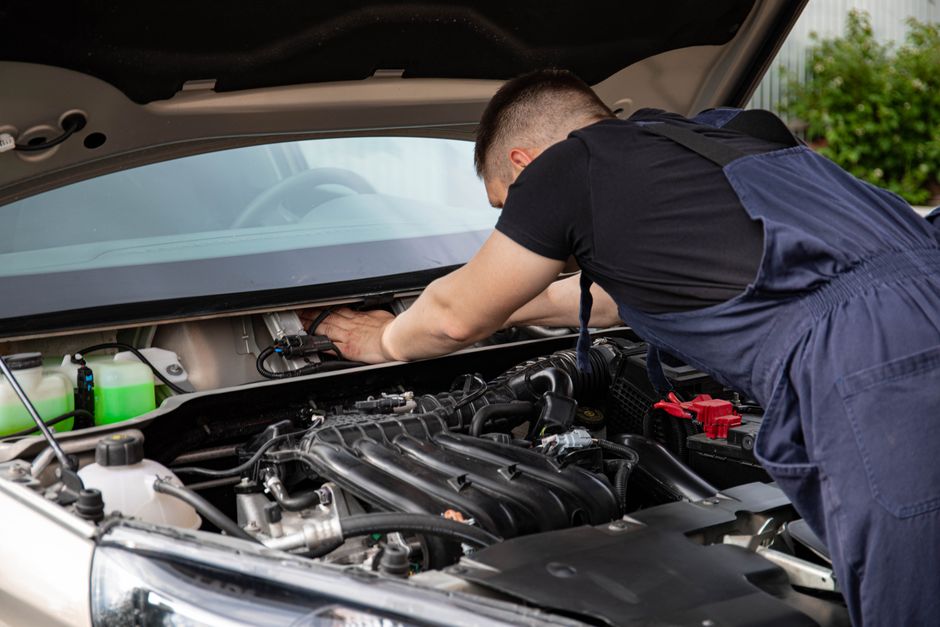
Why Consistent Car Maintenance Matters
Every vehicle is a collection of moving parts that rely on proper lubrication, clean fluids, and timely inspections. Skipping routine care can accelerate wear, reduce fuel efficiency, and increase the likelihood of costly breakdowns. By treating car maintenance as a preventive habit rather than a reaction to problems, drivers protect their investment and enjoy smoother rides.
Daily Checks You Can Do in Minutes
Even the busiest schedule can accommodate a quick visual scan. These checks require no special tools and can reveal early warning signs.
- Tire Pressure: Use a handheld gauge or the vehicle’s built‑in sensor to ensure each tire meets the manufacturer’s PSI recommendation. Under‑inflated tires wear unevenly and lower mileage.
- Fluid Levels: Glance at the coolant reservoir, brake fluid, and windshield‑washer bottle. Top off any low fluids before they become a problem.
- Lights: Activate high beams, low beams, turn signals, and brake lights. A quick walk around the car confirms that every bulb functions.
- Windshield Condition: Clear away debris and check for cracks. Small chips can be repaired before they spread.
Monthly Maintenance Checklist
Once a month, allocate a little more time to deeper inspections. The following tasks strike a balance between DIY effort and professional expertise.
- Engine Oil Quality: Pull the dipstick, wipe it clean, reinsert, and check the level and color. Dark, gritty oil signals a change is due.
- Air Filter Inspection: Open the engine compartment, locate the filter housing, and evaluate the filter’s condition. A clogged filter reduces power and fuel economy.
- Brake Pads: Look through the wheel spokes to gauge pad thickness. If the visible material is less than ¼ inch, plan a replacement.
- Battery Terminals: Ensure connections are tight and free of corrosion. A simple baking‑soda paste can neutralize buildup.
- Belts and Hoses: Scan for cracks, fraying, or glazing. Replacing these components before they snap prevents engine damage.
Seasonal Care: Preparing for Summer and Winter
Extreme temperatures stress different systems. Adjusting your maintenance routine for each season maximizes reliability.
Summer
- Coolant System: Verify the antifreeze mixture is appropriate for high heat. Over‑cooling can cause the engine to run hotter than intended.
- Air‑Conditioning: Run the AC for a few minutes each week to keep the refrigerant circulating and prevent seals from drying out.
- Tyre Tread: Heat can soften rubber, so inspect tread depth and consider a higher‑performance summer tyre if you drive frequently on hot pavement.
Winter
- Winter‑Ready Fluids: Switch to low‑viscosity oil and use a coolant blend that resists freezing. Thick oil makes cold starts sluggish.
- Battery Health: Cold weather reduces a battery’s output. Test the charge level and replace it if it’s older than three years.
- Tyres: Install winter tyres with deeper tread and softer compounds to maintain grip on snow and ice.
DIY vs Professional Service: When to Roll Up Your Sleeves
Not every task demands a mechanic’s bay. Knowing where to draw the line saves money and keeps you safe.
- DIY‑Friendly: Oil changes, air‑filter swaps, windshield‑washer fluid refills, and light bulb replacements are straightforward and require minimal tools.
- Professional‑Only: Transmission fluid flushing, timing‑belt replacement, and complex electronic diagnostics should be left to certified technicians.
- Hybrid Approach: Perform routine visual checks yourself, but schedule a comprehensive service at least once a year. This hybrid model blends cost‑effectiveness with expert oversight.
Common Mistakes That Cost You Time and Money
Even seasoned drivers fall into habits that undermine vehicle health. Avoid these pitfalls.
- Ignoring the check engine light until it becomes a major failure. A brief diagnostic can pinpoint the issue early.
- Using the wrong oil grade. Always follow the manufacturer’s specification; the wrong viscosity accelerates engine wear.
- Skipping tire rotation. Uneven wear shortens tyre life and affects handling.
- Delaying brake‑fluid replacement. Moisture in the system can cause internal corrosion and brake fade.
- Neglecting the cabin‑air filter. A clogged filter reduces HVAC efficiency and spreads allergens inside the car.
Putting It All Together: A Simple Maintenance Schedule
To turn tips into habit, use a calendar or a mobile app. Below is a practical timeline you can adapt.
- Every Day: Check tyre pressure, fluid levels, lights, and windshield condition.
- Every Week: Wash the exterior, clean the interior, and inspect tyre tread.
- Every Month: Perform the monthly checklist (oil dip, air filter, brakes, battery, belts).
- Every Season (3‑4 months): Execute the seasonal care steps for summer or winter.
- Every 6 Months: Rotate tyres, replace cabin‑air filter, and top off all fluids.
- Annually: Schedule a professional service that includes transmission fluid change, spark‑plug inspection, and comprehensive diagnostics.

Conclusion
Consistent car maintenance tips empower drivers to extend vehicle lifespan, improve fuel economy, and avoid unexpected repairs. By integrating daily visual checks, a monthly inspection routine, and season‑specific care, you create a proactive shield against wear and tear. Remember to balance DIY tasks with professional service, and steer clear of common shortcuts. A disciplined schedule not only safeguards your investment but also delivers the confidence of a reliable ride, mile after mile.
Comments (0)
No comments yet. Be the first to comment!
Leave a Comment