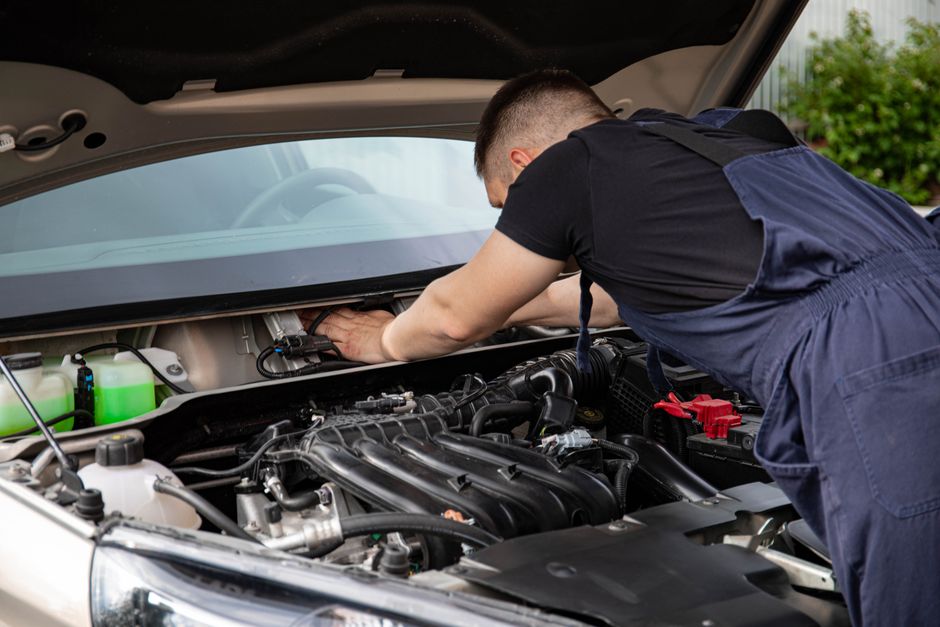
Why Car Maintenance Matters
For anyone who has ever faced a sudden breakdown, the value of regular upkeep becomes crystal clear. Proper car maintenance not only extends the lifespan of your vehicle but also improves fuel efficiency, reduces emissions, and protects your investment. When you start with the basics, you’ll gain confidence and avoid costly surprises.
Essential Tools Every New Car Owner Should Have
Before you dive into any task, equip yourself with a few inexpensive, yet reliable, tools. A well‑stocked toolbox eliminates the need for frequent trips to the garage and makes the learning curve smoother.
- Socket set – covers most bolt sizes found under the hood.
- Torque wrench – ensures bolts are tightened to manufacturer specifications.
- Jack and jack stands – essential for safely lifting the car.
- Oil filter wrench – simplifies oil‑filter removal.
- Multimeter – helps diagnose battery and electrical issues.
Having these items on hand turns many maintenance chores from daunting to doable.
Checking and Replacing Fluids
Fluids are the lifeblood of any vehicle. Below is a quick checklist you can perform every month.
- Engine oil – Pull the dipstick, wipe it clean, reinsert, and read the level. If it’s low or looks dirty, change it.
- Coolant – Look for a clear, bright color. A rusty or low level can cause overheating.
- Brake fluid – Should be clear or amber. Dark fluid indicates moisture buildup and needs flushing.
- Transmission fluid – Typically checked with a dipstick; a burnt smell signals a problem.
- Power‑steering fluid – Verify the level and look for any leaks around the pump.
Replacing fluids follows the same basic steps: locate the reservoir, drain the old fluid (if required), and refill with the correct type specified in the owner’s manual.
Keeping Your Tires in Top Condition
Tires are the only contact point between your car and the road, so they deserve special attention.
- Pressure – Check with a tire gauge at least once a week; the recommended PSI is usually printed on the driver’s door jamb.
- Tread depth – Use a penny; if the top of Lincoln’s head is visible, it’s time for new tires.
- Rotation – Swap front and rear tires every 5,000–8,000 miles to promote even wear.
- Balancing – Vibrations at higher speeds often mean an unbalanced wheel.
These simple habits prevent uneven wear, improve handling, and extend tire life.
Battery Care Made Simple
A dead battery is one of the most frustrating roadside issues for beginners. Follow these steps to keep it healthy:
- Inspect the terminals for corrosion; clean with a mixture of baking soda and water.
- Secure the battery clamps; loose connections cause voltage drops.
- Check the electrolyte level (if you have a serviceable battery) and top up with distilled water when needed.
- Run the engine for at least 15 minutes each week, especially in cold climates, to maintain charge.
If the battery is more than three years old, have it tested at a shop; many retailers offer free diagnostics.
Brake System Basics
Brakes are the most critical safety component, yet many drivers overlook their maintenance. Here’s what you can monitor without a professional:
- Brake pads – Listen for a high‑pitched squeal; it often means the pad wear indicator is contacting the rotor.
- Brake fluid level – The reservoir should be between the “MIN” and “MAX” marks.
- Pedal feel – A spongy pedal may indicate air in the lines, requiring a bleed.
When pads are worn down to about 3 mm, replace them promptly to avoid damaging rotors.
Air and Cabin Filters: Small Parts, Big Impact
Filters protect the engine and occupants from dust and contaminants. Changing them is a quick, cost‑effective way to maintain performance.
- Engine air filter – Replace every 12,000–15,000 miles or when visibly dirty.
- Cabin (HVAC) filter – Swap out every 15,000–20,000 miles to keep the interior air fresh.
Both filters are usually accessed via simple clips or screws, making the replacement a perfect entry‑level task.
Creating a Simple Maintenance Schedule
Consistency beats occasional deep dives. A printable calendar or a smartphone reminder can keep you on track. Below is a sample monthly/annual split:
| Frequency | Task |
|---|---|
| Monthly | Check oil level, tire pressure, fluid levels, and lights. |
| Every 5,000 mi | Rotate tires, inspect brakes, replace cabin filter (if due). |
| Every 7,500 mi | Change engine oil and oil filter. |
| Every 15,000 mi | Replace engine air filter, inspect battery terminals. |
| Every 30,000 mi | Flush brake fluid, inspect suspension components. |
Adjust the intervals based on your vehicle’s manual and driving conditions.
Common Mistakes New Car Owners Make
Even with the best intentions, beginners can fall into traps that negate their efforts.
- Using the wrong oil viscosity – always follow the manufacturer’s recommendation.
- Neglecting to tighten bolts after a repair – a loose wheel lug can cause a catastrophic failure.
- Skipping the “break‑in” period for new tires – drive gently for the first 500 miles to allow the rubber to settle.
- Over‑filling fluids – excess can lead to foaming or pressure issues.
Awareness of these pitfalls helps you avoid costly setbacks.
When to Call a Professional
Some tasks demand specialized equipment or expertise. Recognize the signs early:
- Persistent engine misfires or check‑engine lights after a simple reset.
- Unusual noises from the transmission or differential.
- Excessive vibration despite balanced wheels.
- Complex electronic diagnostics, such as ABS or airbag system codes.
Visiting a trusted mechanic for these issues saves time and prevents further damage.
DIY Tips to Boost Confidence
Start with tasks that require minimal tools and provide immediate results. Here are three quick projects:
- Replace a windshield wiper – Slide the old blade off the arm, align the new one, and click it into place.
- Change a headlight bulb – Open the rear access panel, disconnect the socket, swap the bulb, and reconnect.
- Clean the throttle body – Remove the air intake hose, spray a non‑abrasive cleaner, and wipe with a lint‑free cloth.
Each of these projects takes under 30 minutes and reinforces the habit of regular upkeep.
Conclusion
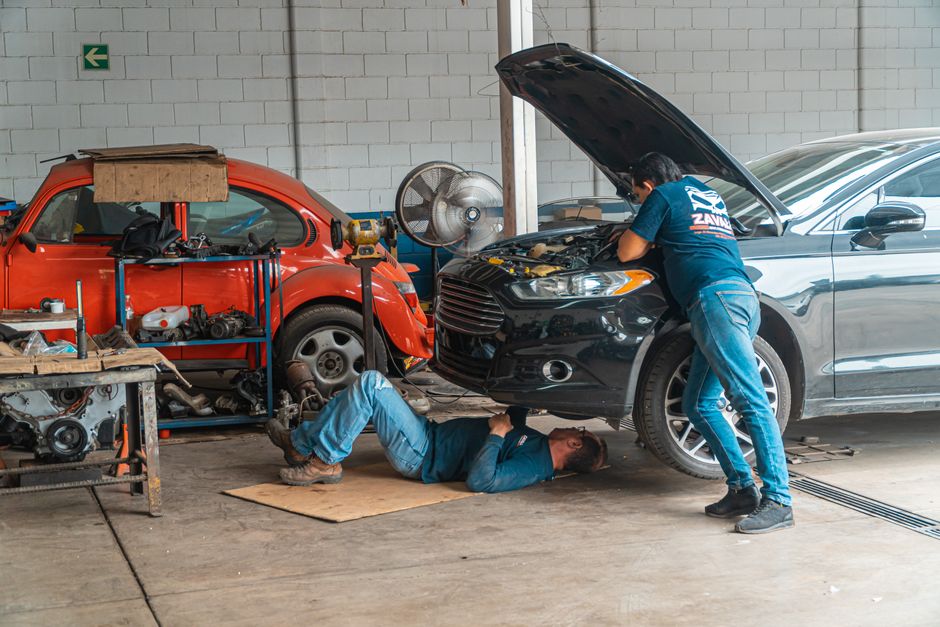
Car maintenance for beginners doesn’t require a mechanic’s degree—just a willingness to learn, a few basic tools, and a simple schedule. By monitoring fluids, caring for tires and the battery, staying on top of brakes and filters, and knowing when professional help is needed, you’ll keep your vehicle reliable, safe, and efficient for years to come.
Comments (0)
No comments yet. Be the first to comment!
Leave a Comment