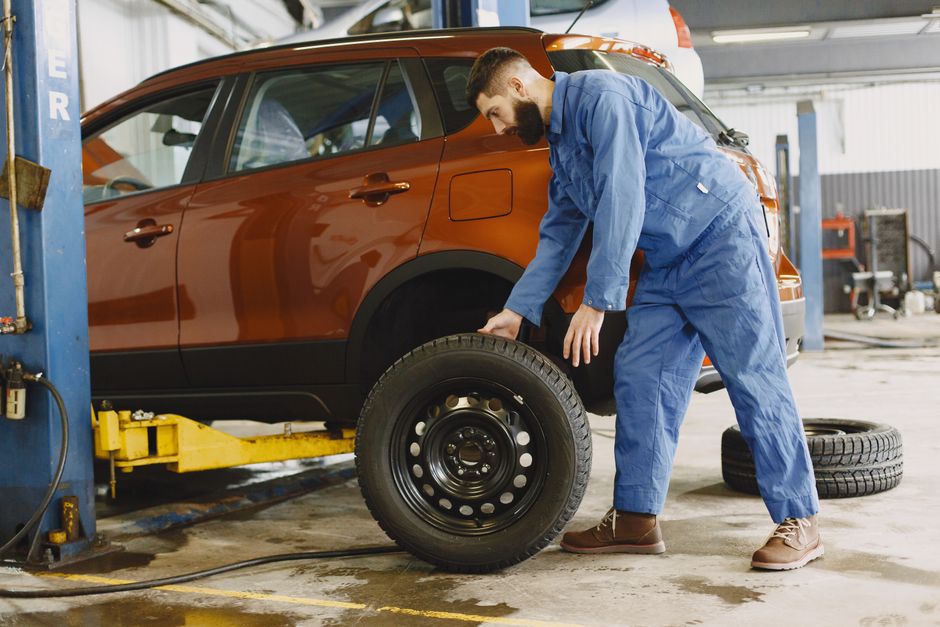
Why Tire Maintenance Is Non‑Negotiable
Every driver assumes that the tires on a vehicle are simply a passive part of the ride. In reality, tire maintenance directly influences fuel economy, braking distance, and overall safety. Neglecting even the smallest detail—like a drop in pressure—can lead to uneven wear, reduced traction, and, in extreme cases, a blowout.
Key Elements of Effective Tire Maintenance
Good tire care revolves around four pillars: pressure, tread, rotation, and alignment. Each pillar interacts with the others, so a balanced approach yields the longest possible lifespan and the best performance.
1. Maintaining Correct Tire Pressure
Air pressure is the most overlooked yet most critical factor. Under‑inflated tires generate excess heat, while over‑inflated ones reduce the contact patch, both accelerating wear.
- Check monthly: Use a reliable digital gauge and compare the reading with the manufacturer’s recommendation found on the door jamb or owner’s manual.
- Temperature matters: For every 10 °F (≈5.5 °C) change in ambient temperature, tire pressure can shift by about 1 psi. Adjust accordingly, especially during seasonal swings.
- Cold‑check principle: Measure pressure when the tires have been stationary for at least three hours and are at ambient temperature.
2. Monitoring Tread Depth and Wear Patterns
Tread provides the grip needed for acceleration, braking, and cornering. When depth falls below 2/32 in (1.6 mm), the tire’s ability to evacuate water diminishes, increasing hydro‑hydroplaning risk.
- Use a tread‑depth gauge or the classic penny test: insert a penny with Lincoln’s head down; if the top of Lincoln is visible, the tread is insufficient.
- Inspect the entire circumference for irregular wear—cupping, feathering, or bald spots often signal alignment or suspension issues.
- Note that different driving conditions (city vs. highway) affect wear rates; highway driving typically produces more even wear.
3. Rotating Tires on Schedule
Rotation evens out the wear caused by drivetrain forces and weight distribution. Most manufacturers recommend a rotation every 5,000–8,000 km (3,000–5,000 mi), which conveniently aligns with oil‑change intervals.
- Pattern matters: Front‑wheel‑drive cars usually follow a forward‑cross pattern, while all‑wheel‑drive vehicles often use a rear‑cross pattern.
- When swapping directional tires, ensure the tread faces the correct direction; otherwise, handling can become unpredictable.
- If you notice uneven wear after a rotation, re‑examine alignment and suspension components.
4. Keeping Wheels Aligned and Balanced
Even the best‑maintained tires will suffer if the wheels are out of alignment. Misalignment produces feathered wear on one side of the tread and can cause the vehicle to pull to one side.
Professional alignment checks should be performed at least once a year or after any major impact (e.g., hitting a pothole). Balancing, on the other hand, eliminates vibrations that appear at specific speeds and extends bearing life.
Seasonal Adjustments
Temperature fluctuations affect both pressure and rubber flexibility. In colder months, tires become stiffer, reducing traction; in hot weather, the rubber softens, increasing the risk of tread separation.
- Winter: Consider switching to winter‑specific tires if you live in regions that regularly drop below freezing. These tires maintain pliability at low temperatures, improving grip.
- Summer: Verify that tire pressure is not too low, as heat expands air and can cause over‑inflation if the tire was inflated when cold.
- Regardless of season, a quick visual scan for cracks, bulges, or foreign objects should be part of the routine.
When to Seek Professional Help
While many aspects of tire maintenance are DIY‑friendly, certain signs demand the expertise of a qualified technician.
- Persistent vibration that does not disappear after balancing.
- Visible sidewall damage, such as cuts or deep bulges.
- Rapid loss of pressure—more than 5 psi per month—indicating a slow leak.
- Unusual noises during cornering, which may hint at suspension or steering issues that indirectly affect tire wear.
Essential Tools and Safety Tips
Investing in a few quality tools can make routine checks quick and safe.
- Digital tire pressure gauge: Provides accurate readings within ±0.5 psi.
- Tread‑depth gauge: A small, inexpensive tool that eliminates guesswork.
- Jack and jack stands: Ensure the vehicle is securely lifted before removing any wheel.
- Torque wrench: Tighten lug nuts to the manufacturer‑specified torque (usually 90–120 lb‑ft) to avoid wheel‑loss incidents.
Always work on a flat, stable surface, use wheel chocks, and wear gloves to protect your hands from sharp edges.
Frequently Asked Questions
Q: How often should I check my tire pressure?
A: At a minimum once a month, and before long trips or major temperature changes.
Q: Can I use the same tire for all seasons?
A: All‑season tires are a compromise; dedicated winter or summer tires deliver superior performance in extreme conditions.
Q: Does tire rotation extend the life of my tires?
A: Yes—regular rotation can add 10,000–15,000 km (6,000–9,000 mi) to a tire’s usable lifespan by promoting even wear.
Conclusion
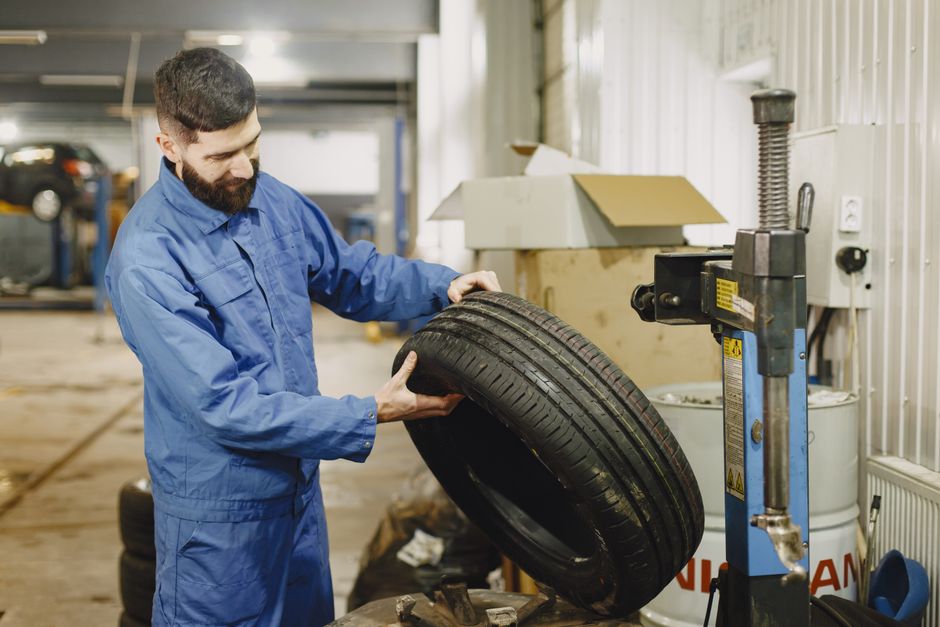
Effective tire maintenance is a blend of regular inspection, timely adjustments, and occasional professional intervention. By monitoring pressure, assessing tread, rotating on schedule, and ensuring proper alignment, drivers can safeguard their investment, improve fuel efficiency, and most importantly, stay safe on the road.
Comments (0)
No comments yet. Be the first to comment!
Leave a Comment