Understanding the Starter Motor
The starter motor is the heart of a vehicle’s ignition system. When you turn the key—or press the start button—the motor receives a burst of electricity, engages the flywheel, and cranks the engine until it fires on its own. Because it must deliver high torque in a split second, the starter is exposed to extreme heat, vibration, and electrical stress.
Symptoms of a Failing Starter
Before diving into specific starter motor problems, recognize the warning signs that a failure may be imminent:
- Clicking sound when turning the key, but the engine does not turn over.
- Engine turns over slowly or inconsistently.
- Complete silence—no sound at all—when the ignition is engaged.
- Intermittent start-up, especially in cold weather.
- Smell of burnt insulation or a faint metallic odor.
These cues often point to a problem inside the starter assembly rather than to the battery or ignition switch.
Most Frequent Starter Motor Issues
1. Worn or Damaged Bendix Gear
The Bendix gear (or pinion gear) engages the engine’s flywheel. Over time, its teeth can wear down or become bent, causing the gear to slip or fail to engage. When this happens, you may hear a rapid clicking noise as the gear repeatedly tries to mesh.
2. Faulty Solenoid
The starter solenoid acts like a heavy‑duty relay, sending the bulk of the battery’s current to the motor. A stuck or weak solenoid can produce a faint click without any engine turnover, or it may fail to close altogether, leaving the starter dead.
3. Overheating Windings
Because the starter draws several hundred amps, its windings can overheat if the motor is held in the “on” position too long. Overheating weakens the copper windings, reducing torque and eventually causing the motor to seize.
4. Bad Electrical Connections
Corroded or loose battery cables, ground straps, and starter connectors introduce resistance. The result is a voltage drop that starves the starter of power, often manifesting as a slow crank or intermittent operation.
5. Faulty Ignition Switch
Although not part of the starter itself, a failing ignition switch can prevent the starter circuit from receiving the signal to engage. This is frequently misdiagnosed as a starter problem because the symptom—no crank—looks identical.
Diagnosing the Problem
Systematic testing helps isolate the root cause without unnecessary part replacement. Follow these steps:
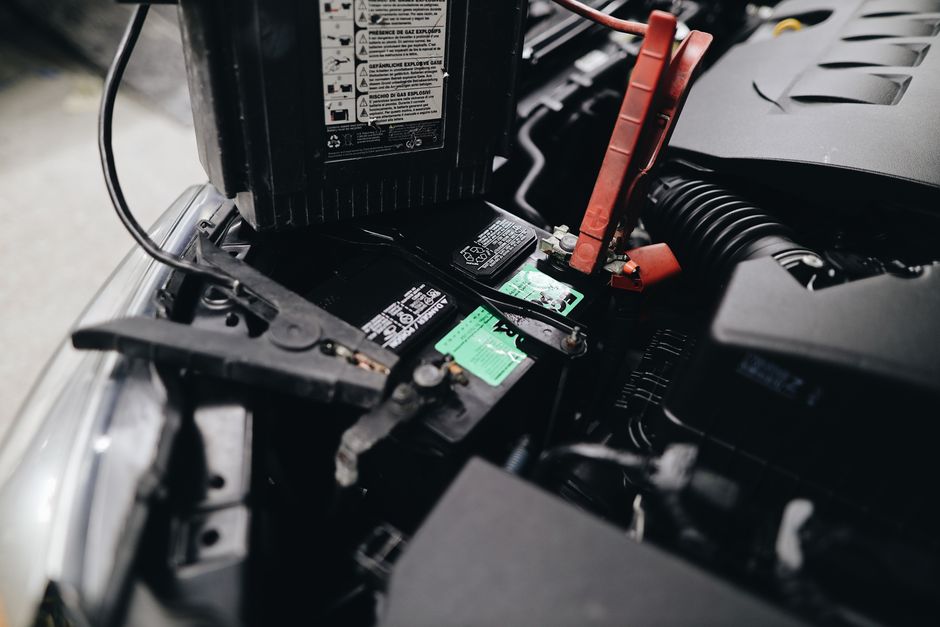
- Check the battery. Verify voltage with a multimeter; a healthy 12‑volt battery should read above 12.4 V at rest.
- Inspect cables. Look for corrosion, frayed wires, or loose clamps on both the battery and starter connections.
- Listen for the solenoid. A single click indicates the solenoid is receiving a signal. Multiple rapid clicks usually point to a weak solenoid or insufficient voltage.
- Measure voltage at the starter. While turning the key, the voltage at the starter terminal should stay above 9.5 V. A drop below this suggests a wiring issue or a failing battery.
- Test the starter motor. If the solenoid clicks but the motor does not turn, tap the motor lightly with a hammer. A brief improvement can confirm worn brushes or a seized armature.
- Examine the Bendix gear. Remove the starter (refer to the vehicle’s service manual) and rotate the gear by hand. Any resistance, grinding, or missing teeth indicates replacement.
Document each finding; a clear record speeds up repairs and helps avoid replacing parts that are still functional.
When to Call a Professional
Some starter motor problems are straightforward DIY fixes, such as tightening a loose cable or cleaning a corroded terminal. However, you should seek professional assistance when:
- The starter must be removed from a tightly packed engine bay.
- You suspect internal winding damage or a burnt armature.
- Repeated attempts to start the engine cause the starter to overheat.
- Diagnostic tools (e.g., a scan tool) reveal multiple error codes related to the engine control module.
Professional mechanics have the equipment to perform load testing, bench testing, and precise torque measurements that ensure the starter operates within manufacturer specifications.
Preventive Maintenance Tips
Even the most robust starter can suffer premature failure if neglected. Incorporate these habits into your regular vehicle care routine:
- Keep battery terminals clean and tight; use a mixture of baking soda and water to neutralize acid buildup.
- Run the engine for a few minutes after cold starts to let the starter cool before shutting it off.
- Avoid “short‑circuit” starts—don’t hold the key in the start position longer than necessary.
- Inspect the starter’s mounting bolts periodically; loose bolts increase vibration and accelerate wear.
- Replace the starter every 100,000–150,000 miles if you notice a gradual loss of power, even without a clear failure.
These simple steps reduce stress on the starter motor and can extend its service life by years.
Conclusion
Understanding the common starter motor problems—from a worn Bendix gear to a faulty solenoid—allows you to recognize early symptoms and apply a logical diagnostic process. By checking the battery, inspecting connections, and testing voltage at the starter, you can pinpoint the issue before costly replacements become necessary. When in doubt, rely on a professional to handle complex internal failures. Regular maintenance, such as cleaning terminals and avoiding prolonged cranking, will keep your starter reliable and your vehicle ready to go.
Comments (0)
No comments yet. Be the first to comment!
Leave a Comment